

Cart


best place to buy rv suspension parts,
Ford F53,
Ford F53 Motorhome,
how to fix rv sway,
how to stop motorhome roll,
is safe t plus worth it,
motorhome body roll,
motorhome bounce,
motorhome bouncing,
motorhome handling upgrades,
Motorhome Highway Wandering,
motorhome ride improvement,
motorhome steering problems,
motorhome steering stabilizer,
Motorhome Steering Wandering,
Motorhome Suspension,
motorhome suspension upgrades,
motorhome sway bars,
motorhome sway control,
motorhome wandering,
motorhome wind stability,
rv anti sway bars,
RV crosswind handling,
rv handling,
RV handling problems,
rv handling upgrades,
RV ride control,
rv shocks vs sway bars,
rv stability upgrades,
RV Steering Problems,
RV steering stabilizer,
RV Suspension,
RV Suspension Upgrades,
rv sway,
rv sway bar,
rv swaybars,
RV wandering,
safe t plus,
safe t plus f53,
safe t plus steering stabilizer
/
0 comments
/
Sway Bar vs. Steering Stabilizer: Which Does Your Motorhome Need?
A motorhome sway bar and steering stabilizer perform different handling jobs. A sway bar reduces excessive body lean, while a steering stabilizer controls unwanted movement through the steering wheel. Learn which driving symptoms point toward each upgrade, what neither component can fix, and which chassis details you’ll need before ordering.

Class C handling problems,
Class C motorhome shocks,
Class C motorhome suspension,
Class C ride improvement,
Ford E350 motorhome shocks,
Ford E450 motorhome shocks,
motorhome body roll,
motorhome load support,
motorhome porpoising,
motorhome steering stabilizer,
motorhome suspension upgrades,
motorhome sway bars,
motorhome wandering,
RV trac bar
/
0 comments
/
Class C Motorhome Shocks and Suspension Upgrades
This guide explains why Class C motorhomes may need additional suspension control, which symptoms point toward shocks, sway bars, steering stabilizers, trac bars, or load support, and how owners can build a sensible chassis-specific upgrade plan.
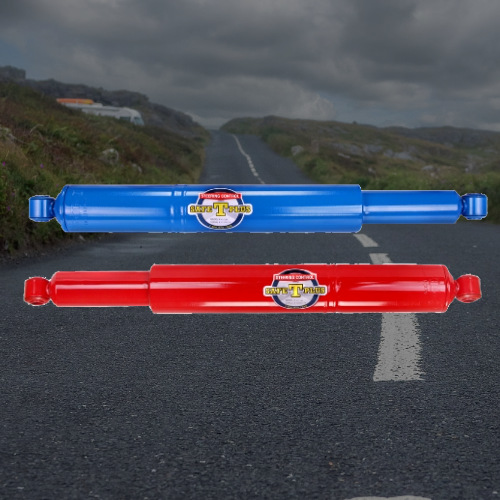
is safe t plus worth it,
Motorhome Highway Wandering,
motorhome steering problems,
motorhome steering stabilizer,
Motorhome Steering Wandering,
motorhome wandering,
RV Steering Problems,
RV steering stabilizer,
RV wandering,
safe t plus,
safe t plus f53,
safe t plus steering stabilizer,
safe t plus vs sway bar
/
0 comments
/
Safe-T-Plus Steering Stabilizer: Is It Worth It for Your RV in 2026?
A Safe T Plus steering stabilizer can reduce RV steering wander, rut tracking, wind sensitivity, and frequent highway corrections. Learn how it works, which motorhomes benefit most, what it won’t fix, and how it compares with shocks, sway bars, and rear trac bars.

Best Motorhome Shocks,
Bilstein Motorhome Shocks,
KONI Motorhome Shocks,
motorhome handling upgrades,
Motorhome Highway Wandering,
motorhome ride improvement,
motorhome shocks,
motorhome steering problems,
motorhome steering stabilizer,
Motorhome Steering Wandering,
Motorhome Suspension,
Roadmaster Exact Center,
rv handling,
RV Steering Problems,
RV steering stabilizer,
RV Suspension,
RV Suspension Upgrades,
steering stabilizer vs trac bar
/
0 comments
/
What Does a Motorhome Steering Stabilizer Do?
A motorhome steering stabilizer can reduce steering-wheel busyness, rut tracking, crosswind corrections, and long-day driver fatigue when the steering system is otherwise in good condition. This guide explains how stabilizers work, what they won't fix, how they compare with other upgrades, and why chassis-specific fitment matters.

Best Motorhome Shocks,
best rv shocks,
Class C Motorhome,
how to stop RV porpoising,
Mercedes Sprinter 3500,
Mercedes Sprinter 3500 shocks,
motorhome handling upgrades,
Motorhome Highway Wandering,
motorhome ride improvement,
motorhome shocks,
motorhome steering problems,
motorhome steering stabilizer,
Motorhome Suspension,
RV Suspension,
RV Suspension Upgrades
/
0 comments
/
Mercedes Sprinter 3500 RV Shocks
Mercedes Sprinter 3500 RV shocks can reduce bounce, porpoising, slow suspension recovery, and excessive road motion. Learn when shocks or struts should come first and when sway control, load support, tire setup, or alignment may be the better next step.

Best Motorhome Shocks,
Bilstein Motorhome Shocks,
Class A Motorhome Shocks,
Class C Motorhome,
how to stop RV porpoising,
motorhome handling upgrades,
motorhome porpoising,
motorhome shocks,
motorhome steering problems,
motorhome steering stabilizer,
Motorhome Suspension,
rv anti sway bars,
rv handling,
rv handling upgrades,
RV steering stabilizer,
RV Suspension,
RV Suspension Upgrades,
RV trac bar,
steering stabilizer vs trac bar
/
0 comments
/
Motorhome Suspension Upgrades That Make a Difference
The right motorhome suspension upgrade depends on what your coach is doing on the road. Learn how shocks, sway bars, steering stabilizers, trac bars, and load-support upgrades target bounce, porpoising, body roll, wandering, tail wag, sagging, and other common RV handling problems.