

Cart

Best Motorhome Shocks,
best place to buy rv shocks,
best place to buy rv shocks for class c motorhome,
best place to buy rv suspension parts,
best rv shocks,
Bilstein Motorhome Shocks,
Class A Motorhome Shocks,
Class C Motorhome,
Class C motorhome shocks,
Class C motorhome suspension,
Class C ride improvement,
Ford E350 motorhome shocks,
Ford E450 motorhome shocks,
Ford F53 Shocks,
front motorhome shocks,
front vs rear motorhome shocks,
KONI Motorhome Shocks,
Mercedes Sprinter 3500 shocks,
motorhome shocks,
Motorhome Suspension,
motorhome suspension upgrades,
rear motorhome shocks,
rv shocks,
rv shocks and struts,
rv shocks vs sway bars,
RV Suspension,
RV Suspension Upgrades
/
0 comments
/
RV Shock Replacement: What Motorhome Owners Should Know
RV shock replacement may be necessary when a motorhome keeps bouncing after bumps, porpoises after dips, rocks too long, or feels less controlled than it once did. This guide explains what motorhome shocks do, which symptoms indicate worn damping, what to inspect before ordering, and when to replace one axle or the complete set. It also covers travel weight, tire pressure, ride height, chassis identification, and the differences between OE-style and performance-oriented RV shocks.

Class C handling problems,
Class C motorhome shocks,
Class C motorhome suspension,
Class C ride improvement,
Ford E350 motorhome shocks,
Ford E450 motorhome shocks,
motorhome body roll,
motorhome load support,
motorhome porpoising,
motorhome steering stabilizer,
motorhome suspension upgrades,
motorhome sway bars,
motorhome wandering,
RV trac bar
/
0 comments
/
Class C Motorhome Shocks and Suspension Upgrades
This guide explains why Class C motorhomes may need additional suspension control, which symptoms point toward shocks, sway bars, steering stabilizers, trac bars, or load support, and how owners can build a sensible chassis-specific upgrade plan.
is safe t plus worth it,
Motorhome Highway Wandering,
motorhome steering problems,
motorhome steering stabilizer,
Motorhome Steering Wandering,
motorhome wandering,
RV Steering Problems,
RV steering stabilizer,
RV wandering,
safe t plus,
safe t plus f53,
safe t plus steering stabilizer,
safe t plus vs sway bar
/
0 comments
/
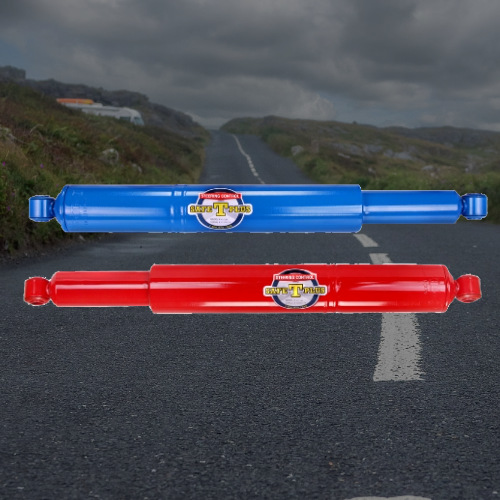
Safe-T-Plus Steering Stabilizer: Is It Worth It for Your RV in 2026?
A Safe T Plus steering stabilizer can reduce RV steering wander, rut tracking, wind sensitivity, and frequent highway corrections. Learn how it works, which motorhomes benefit most, what it won’t fix, and how it compares with shocks, sway bars, and rear trac bars.

/
0 comments
/
How to Fix Motorhome Body Roll
This article explains why motorhome body roll happens, which setup issues can make it worse, and how to choose between sway bars, shocks, trac bars, steering stabilizers, and support upgrades.

/
0 comments
/
Front vs. Rear Motorhome Shocks: Which Ones Should You Replace?
This article explains the different roles front and rear motorhome shocks play, how their wear shows up in real-world driving, and how RV owners can choose a replacement strategy based on symptoms, chassis, and fitment.

Best Motorhome Shocks,
best place to buy rv shocks for class c motorhome,
best place to buy shocks for my ford e350,
best rv shocks,
Bilstein Motorhome Shocks,
Class C Motorhome,
ford e-350,
front e350 shocks,
motorhome handling upgrades,
Motorhome Highway Wandering,
motorhome ride improvement,
motorhome shocks,
Motorhome Steering Wandering,
Motorhome Suspension,
rear e350 shocks,
rv handling,
RV handling problems,
rv handling upgrades,
RV ride control,
rv shocks,
RV Suspension,
RV Suspension Upgrades
/
0 comments
/
Ford E350 Motorhome Shock Guide
This guide explains how shocks affect ride quality and handling on Ford E350-based motorhomes. Learn which symptoms may indicate worn shocks, how front and rear shocks differ, and what chassis information you’ll need before ordering replacements.